

A Rose at Midsummer
Welsh midsummer folklore, the first broad beans of the year, & a green, fiery giant couscous salad from the garden.

Today, on the cusp of what is forecast to be our next crippling heatwave here in Britain, we arrive at midsummer. Midsummer is the moment at which the year draws a long breath, settling fully into its commanding abundance, when the tentative steps of May have given way to something richer and altogether more feral. The heat forces our retreat towards the shade: into the safety of our homes, beneath trees, anywhere away from the unrelenting gaze of the sun, all too often chased by hungry horseflies that I wage a personal war with each year. We are not in charge here. At midsummer, the garden tolerates us briefly as just another warm-blooded inconvenience moving through its plans.
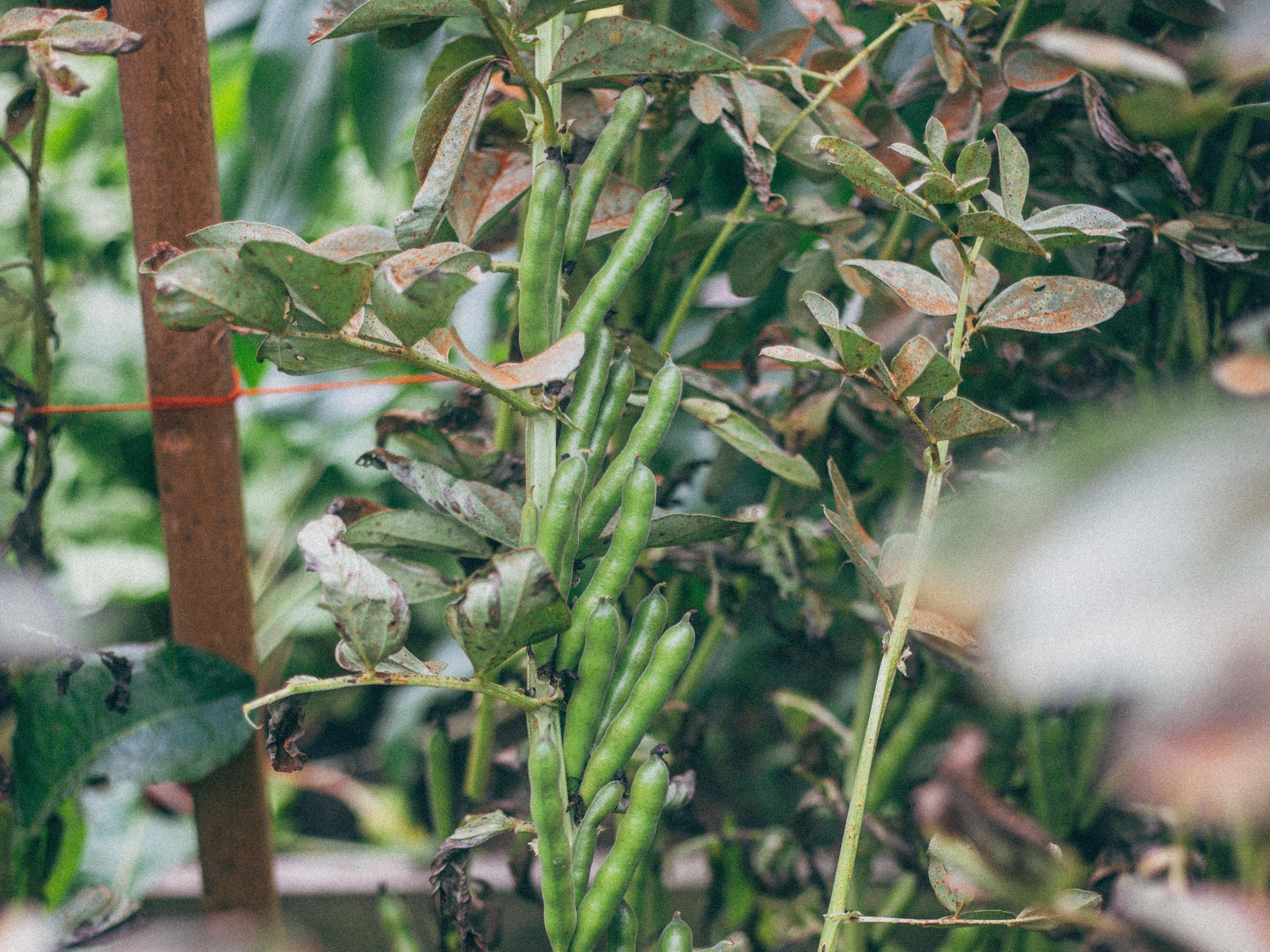
In the garden, Huw harvested his first crop of broad beans to clear a raised bed for chilli plants, but in his busy schedule, didn’t have time to do anything with them; so it was between me and the chickens. And, no offence meant to chickens, but I can’t let a crop like broad beans go to waste! Paired with a fresh crop of Mustard Wasabina grown by Yan, I’ve made a refreshing summer recipe that uses a few different fermented ingredients to help you stay cool in the coming week, in celebration of today (recipe down below).
But before the recipe, a little midsummer strangeness.
I think it is more useful to talk about midsummer in Wales through Welsh and Celtic-seasonal tradition rather than making some broad, misty statement about pagan Britain. The traditions we can actually point to in Wales come to us through a mixture of things: the astronomical solstice, Celtic-language culture, farming calendars, medieval Christian feast days, local folklore, and the memory of seasonal customs that carried on in households, fields, villages and stories.
In Welsh, the summer solstice is Heuldro’r Haf, the turning of the summer sun. The Christian feast of St John falls a few days later, on 24 June, and in Wales this became Gŵyl Ifan.
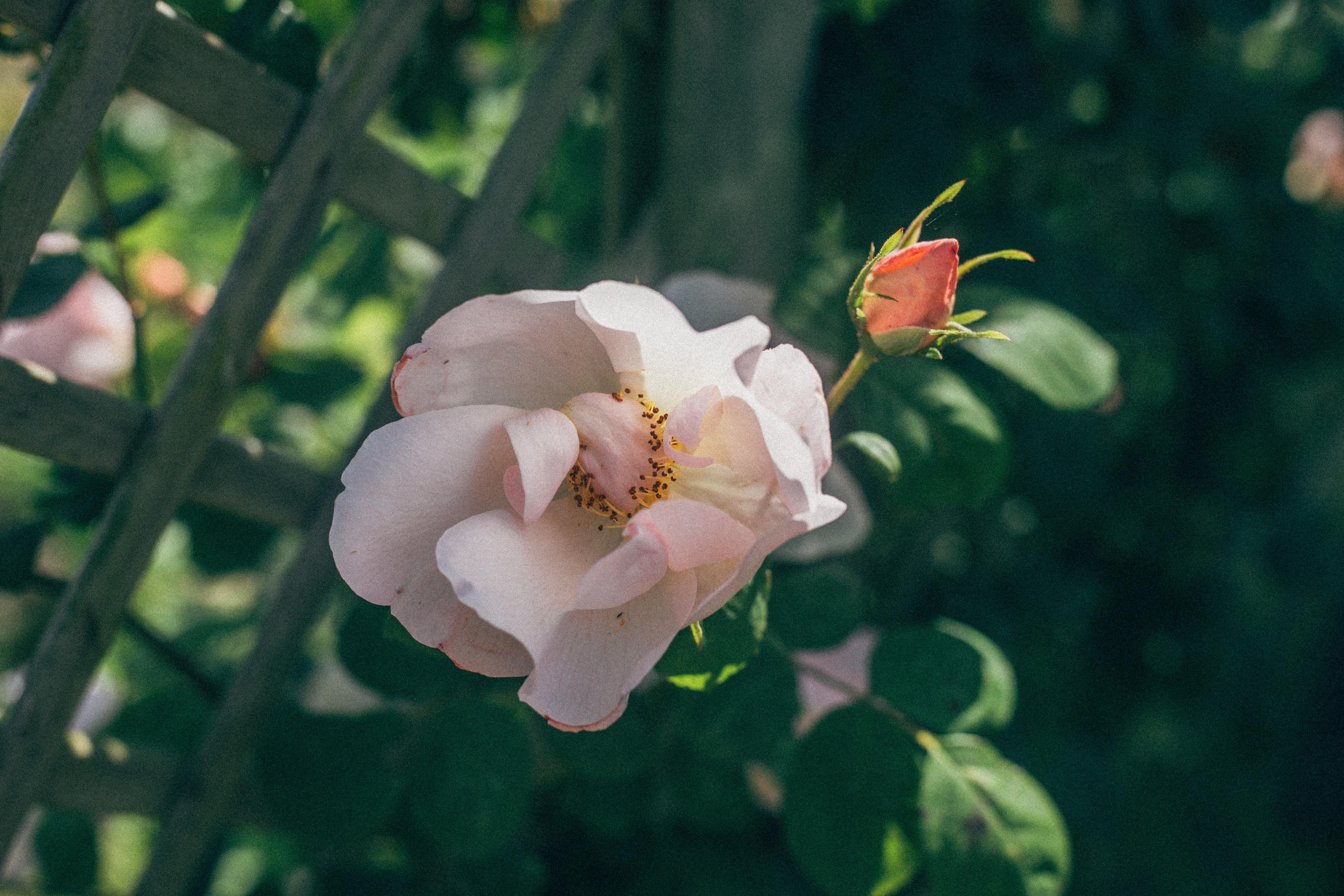
In one Margam Abbey charter, the rent for half an acre of land was listed as a rose at midsummer. I love the thought that a legal obligation was measured in a flower, and wonder if such a thing might offer insight into what we choose to value today. Land, labour, season, scent and beauty all held together in a single payment, both practical and poetic, which is often where the best customs seem to live.
Fire, which we think of as a means to fend off the cold of winter, belonged to this part of the year too. Across Britain and much of Europe, St John’s Eve was associated with bonfires, often lit at dusk or on high ground, where people gathered for protection, luck, fertility, health, love, livestock and crops (all the good stuff in life). I think there is something profoundly human in such gatherings, something that reaches beyond the practical concerns of harvests, weather, or the changing seasons, and taps into our nature as storytelling creatures. After all, stories require structure if they are not to dissolve into an indistinct flow of days; chapters and turning points, moments of arrival and departure. Birthdays, weddings, funerals, Christmas, New Year, harvest festivals, are occasions upon which we collectively pause, lift our heads from the business of living, and take a moment to acknowledge where we stand within the unfolding narrative of our lives.
Perhaps that, more than anything else, was the true purpose of these midsummer celebrations.
They arrived at a moment already rich with meaning: the longest day of the year, when the sun lingers almost reluctantly above the horizon; the first fruits of the season beginning to appear; the garden and field, having demanded months of labour, finally offering something in return. It is a peculiar point in the cycle of the year, poised between fulfilment and decline, when summer stands at its fullest expression even as the slow, almost imperceptible drift towards autumn has already begun.
It seems to me that we only truly live alongside those with whom we continue to create new memories. Consider old friends from school or university. However deep the affection once was, however inseparable you may have seemed, a relationship deprived of new experiences gradually changes in nature. It becomes less a living thing than an archive. Conversations circle familiar stories; shared history replaces shared presence, and a friendship disappears within a relationship increasingly defined by recollection rather than in reality, sustained more by memory than by participation.
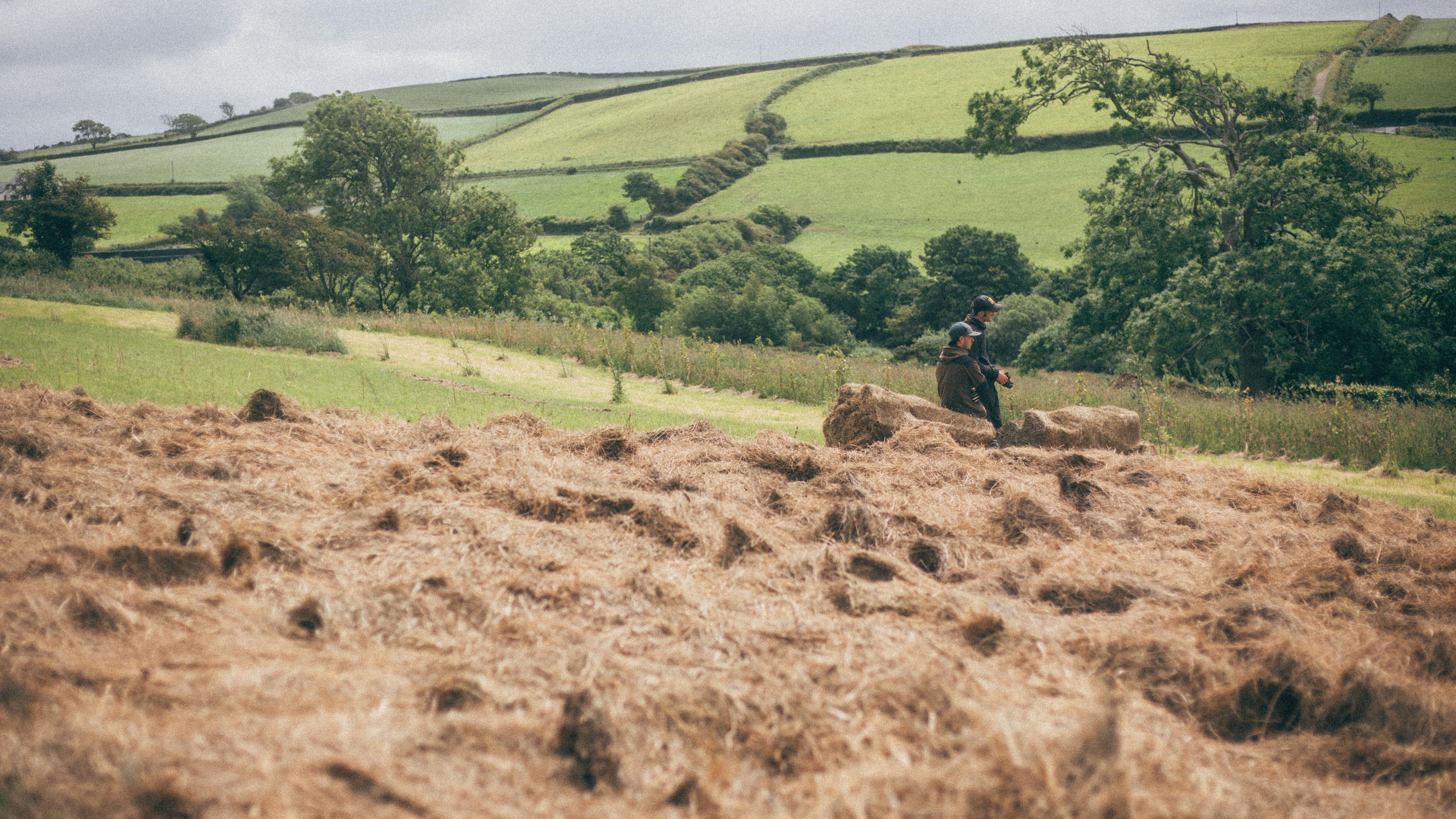
Gatherings such as Gŵyl Ifan are an antidote to that kind of erosion. They provided a reason for people to come together, beyond simple celebration, to check in with one another and continue the work of belonging.
Perhaps that’s why seasonal celebrations have endured with such remarkable persistence across cultures and centuries, even those that no longer live daily lives by such things. Their significance lies not merely in helping us observe the turning of the year, but in reminding us that we do not pass through that turning alone. They offer us occasions to gather, remember, and to create new memories in the same breath; to locate ourselves not only within the great cycles of nature, but within the lives of those who accompany us through them. In the end, it may be that these festivals matter because they allow us, however briefly, to become conscious of what too many overlook: that time is measured not only by seasons and calendars, but by the people with whom we share them.
In Wales, Gŵyl Ifan survives largely in folklore, historical records and occasional revival events. Traditional midsummer customs once included bonfires, the gathering of herbs and flowers (considered to be at their peak around midsummer), and local festivities associated with St John’s Day, though most have long since faded from everyday life. Even so, they offer a glimpse of how earlier generations marked this turning point in the year.
The folklore around Nos Wyl Ifan, St John’s Eve, is wonderfully strange. Elias Owen, the Welsh folklorist, recorded North Welsh beliefs that this was a night when the fair folk were active and the ordinary edges of the world became less certain. One tradition recorded by Elias Owen had young women going out at midnight on Nos Wyl Ifan, St John’s Eve, to gather a plant (Llysiau Ifan) associated with the day, guided by the light of a glow-worm. The plant was then taken home and read the next morning as a sign of what might happen in love, marriage, or life itself. Owen also recorded a St John’s Eve divination in which a young woman placed a snail beneath a basin, believing its trail might trace the name, or at least the initials, of her future husband.
I am not entirely sure what to do with that last one, apart from admire the optimism of anyone who expected clarity from a snail. Although, given the amount of damage they have done in the garden this year, I’ll keep an eye out for signs of my wife’s initials appearing on the cabbages.
I’m struck by how these stories and traditions come from a world in which plants, insects, weather, light and small animal movements were all worth reading, or at the very least, paying attention to. A time when such things as weather and harvests occupied a much larger share of people’s attention, and when the year carried consequences that were more difficult to ignore. A world where people knew that food, love, illness, marriage, harvest and death were never as far apart as we like to imagine.
For those of us who grow, this is the tipping point in the year. You know as well as I do, things are about to kick off. No matter how much we brace ourselves, we’ll inevitably end up with too many courgettes, the remnants of which Yan and I are still eating from last autumn! (Despite the name, if left to fully mature, summer squash can also store well over winter and spring, if kept somewhere dark and cool).
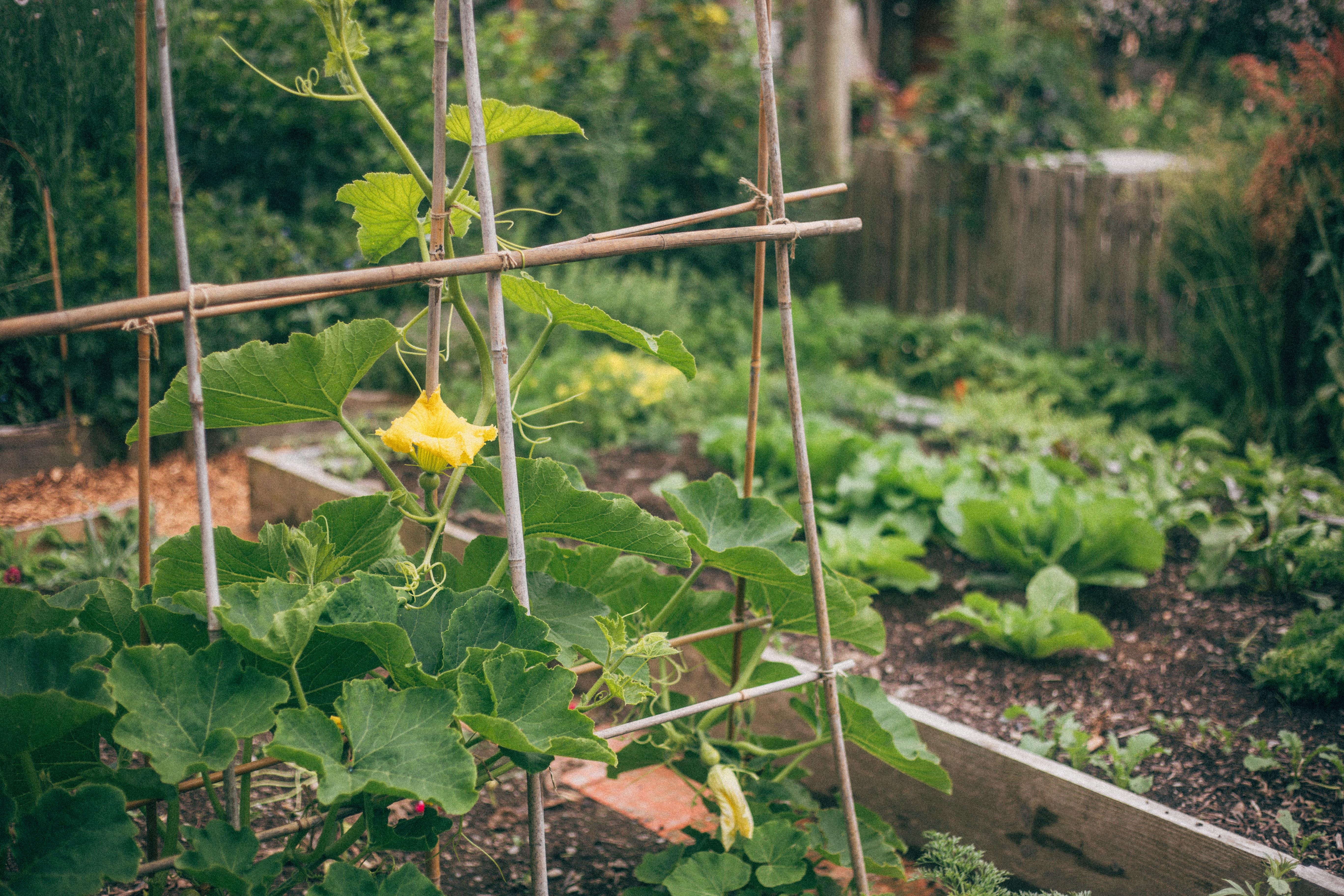
This week’s garden jobs
are mostly about admitting that the garden has the upper hand: water early, mulch hard, pick what is ready (mainly peas, beans, baby courgettes, and radishes), tie in what is trying to escape, and move any delicate sowings into partial shade. Broad beans can be harvested while they are still tender, and once the lower pods have set, the tops can be pinched out to reduce blackfly. Keep sowing quick crops into gaps, especially leaves and radishes, but give them shade if you can, or lay a plank of wood over direct sowings to shelter and hold onto moisture in the soil. In this heat, gardening is more about focusing on helping plants through the worst of the weather, stealing food where possible, and trying to keep up without being eaten alive by horseflies. So far this year, my tally is 2-5. Two bites to five smacks. Thank goodness for long sleeve linen shirts.
Giant Couscous with Broad Beans, Mustard Wasabina, Gordal Olives and Miso Butter
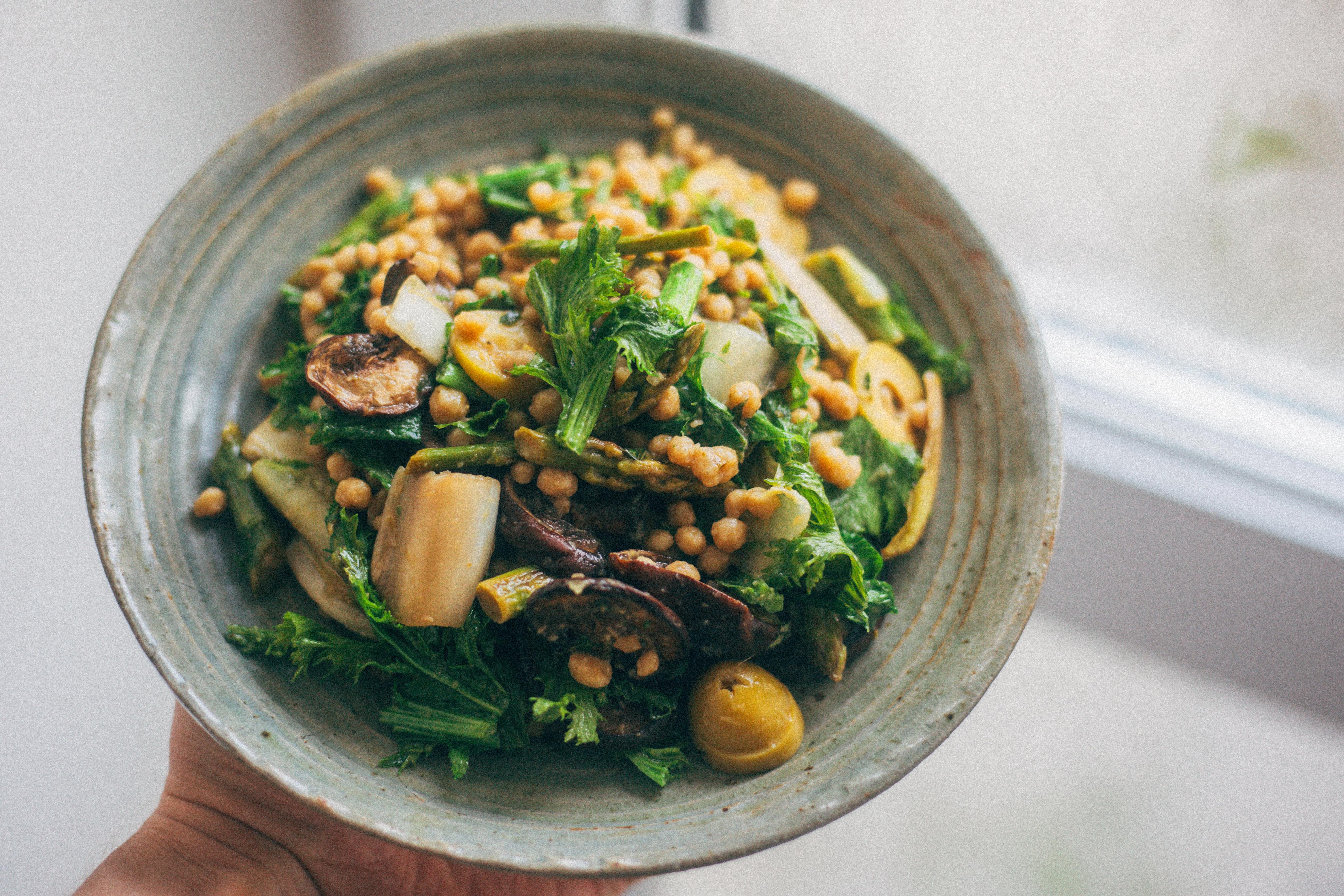
This week’s recipe makes the most of homegrown Mustard Wasabina, which has that sharp, green, nose-tingling heat I love in brassicas. If you don’t have any, you can replace it with rocket, which is more peppery, radish tops, or other kinds of mustard greens. Together, the broad beans and Wasabina feel like midsummer food in the most direct sense: fresh, green, and fiery.
I’m often asked for recipes that show how I use fermented ingredients in my day-to-day cooking, so I’m going to start making a habit of photographing more of my meals to make The Black Butter Club the home for such things. Sometimes they’ll be the kind of quick and easy, one-pan meals I make after a long day at work, sometimes they’ll be something a little more adventurous. This one sits firmly in the quick and easy category, somewhere between a warm salad and a bowl of garden pasta, with a few of those little fermented treats that make everything taste more rounded and complete.
Serves 2 generously, or 4 as part of a larger meal.
Ingredients
150g giant couscous
A good handful of podded broad beans, roughly 150–200g once podded
150–200g mushrooms, sliced
1 small head of chicory, leaves separated and roughly chopped
A large handful of Mustard Wasabina, roughly chopped
60–80g garlic-stuffed gordal olives, roughly chopped
1 small handful of fresh garden herbs, such as parsley, mint, chives, dill, fennel fronds or lovage
1 tablespoon white or yellow miso
25–30g butter
1 tablespoon olive oil, plus extra to finish
A little finely chopped preserved lemon peel
1–2 teaspoons apple cider vinegar
Black pepper
Salt, if needed
A squeeze of lemon, if needed
Method
Cook the giant couscous in well-salted boiling water until tender (8-10 minutes), then drain any leftover water and dress it with a little olive oil while still warm. Giant couscous behaves more like pasta than the smaller couscous many of us are more familiar with, so taste it as it cooks and stop when it still has a little bounce.
Pod and blanch the broad beans in boiling water for 1–2 minutes, then drain and cool briefly. Slip them from their skins if they are large or if you want that bright, tender green centre. If they are very young, you can leave some unshelled for a more rustic meal.
Heat a little olive oil in a frying pan and cook the mushrooms hard enough that they take on colour rather than simply steaming. An indication your pan is hot enough is if the mushrooms whistle when they come into contact with it. Don’t over stir them either, as this releases heat from the pan and moisture from the mushrooms, resulting in that slimy slug texture. Treat it more as though you’re searing meat. Once they are browned and savoury, lower the heat and add the butter and miso. Let the butter melt into the miso, stirring until you have a glossy, salty, deeply savoury dressing in the pan.
Add the cooked couscous to the mushrooms and toss everything together while still warm. Add the broad beans, chopped gordal olives, preserved lemon and dash of raw apple cider vinegar, then fold through the chicory and Mustard Wasabina. You want the greens to soften slightly from the heat of the couscous, and turn a vivid dark green, but still keep their freshness and bite.
Finish with the fresh herbs, a little more olive oil, black pepper, and a squeeze of lemon if it needs lifting. Taste before adding salt, as the miso, olives, and preserved lemon will already bring plenty.
Eat warm, or at room temperature after everything has had a few minutes to settle into itself.
This is very much a midsummer recipe to me: the first broad beans, the heat of mustard leaves, the bitterness of chicory, the savoury depth of miso, and the sharpness of fermented things keeps everything lively and refreshing.
I don’t mark midsummer by lighting a fire on a hill or placing a snail beneath a basin, though I do think the old stories have something to teach us. I mark it in the way that makes most sense to me, by cooking the first real harvest of the year and avoiding the garden during the most punishingly hot hours of the day.

If you enjoyed this newsletter, or know of others who might, please feel free to share it however you see fit. And, if you haven’t subscribed yet, click the button below and become a member of The Black Butter Club.
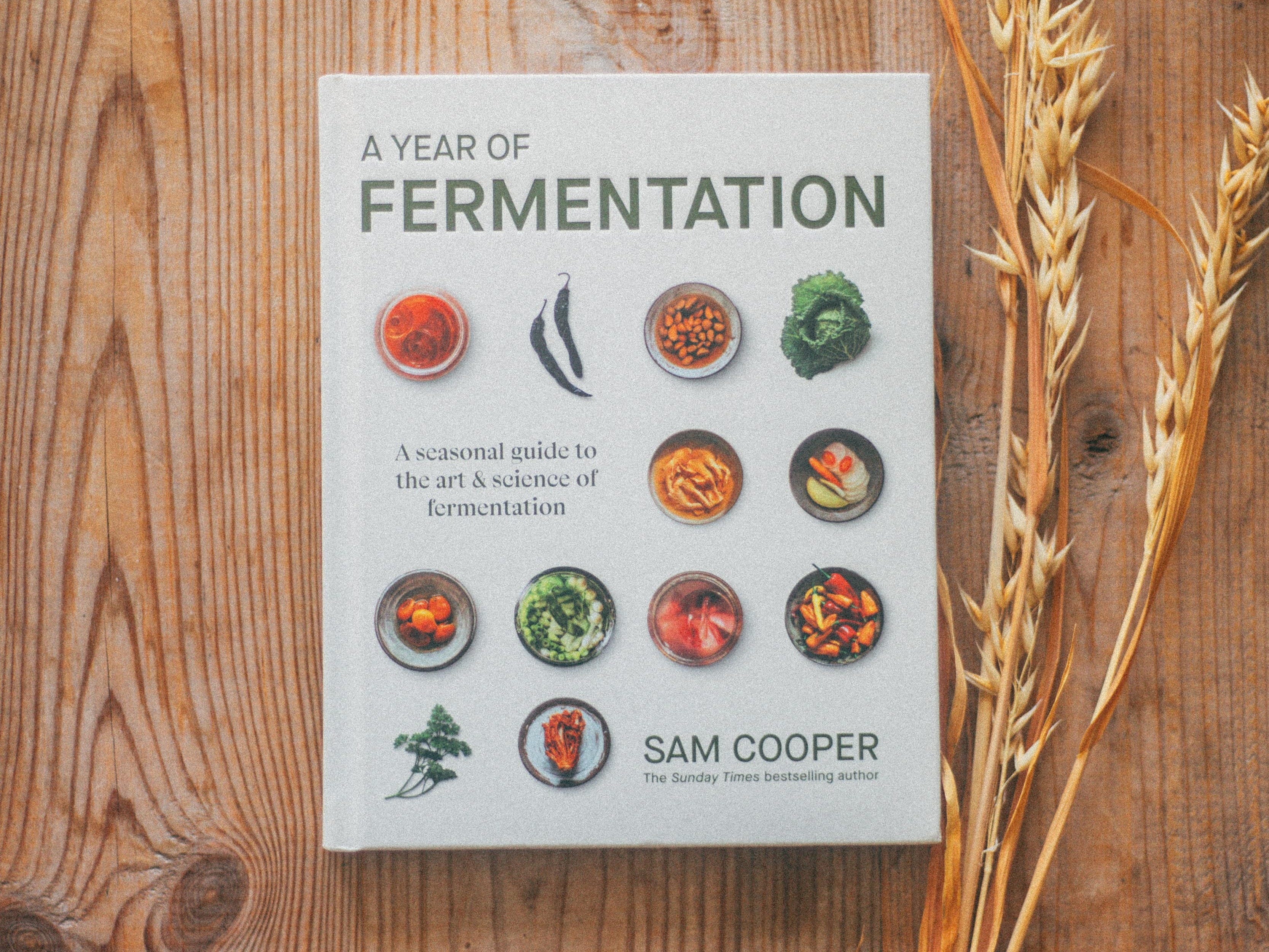
We’re almost exactly one month away from the publication of my new book on fermentation, A Year of Fermentation, an almanac-like seasonal offering packed with fermentation techniques to preserve and unlock the flavours of the seasons. If you’d like to preorder your copy, click here for the best UK sale price, or here to find out where you can order it for worldwide shipping.
Thank you, and have a great week.
Sam

You are a wonderful story teller. I love that when I read your words I hear them in your voice. Isn't that amazing as I do not know you except for the videos and posts I have been fortunate to hear/see. All the best from the largest island mainland America....Whidbey Island.
♥️👏🏽the recipe reads delish! hello from the nevada desert where our temps are reaching 111
degrees now.